Virtuix (VTIX) CEO on IPO and Using VR/AI for Gaming, Defense & More

VR has been a difficult space over the last decade. It seemed like its moment had come during the COVID-19 pandemic, as Meta Platforms (META) went all-in on the virtual universe, even changing its name. However, the graphics were clunky, and fewer people were interested than expected. Now, Meta is laying off people in that segment and is moving all-in on AI.
Virtuix (VTIX) is going in a different direction: combining the two. Jan Goetgeluk, founder and CEO, joined Market On Close to discuss their IPO on the Nasdaq and how the company is a “pioneer” in the space.
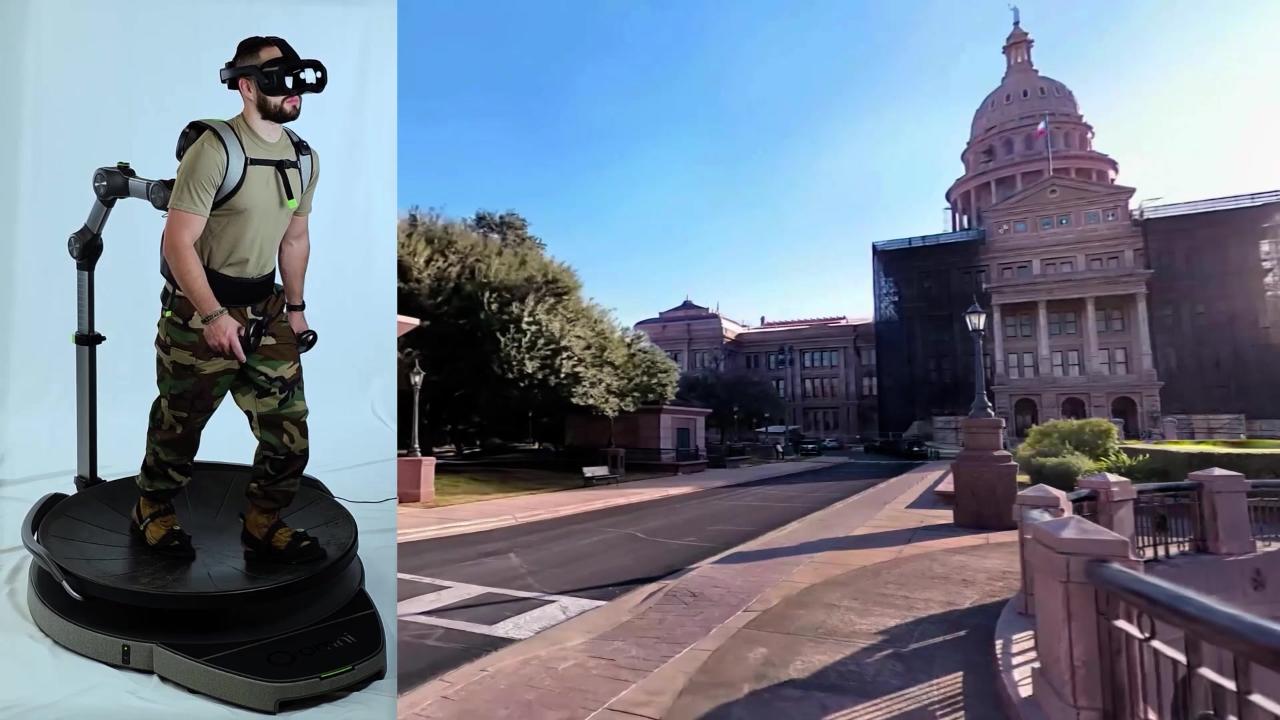
Virtuix is solving one of the problems with retail VR headsets: you move within the limits of the real world. Its Omni One rig pairs an omnidirectional treadmill with the headset to allow users to move freely within the virtual world without crashing into walls. The whole rig runs around $3,500.
Somewhat like arcades of old, they offer 80 “Omni Arenas,” where players can compete in VR together, in locations across the country. Typically, they’re quartered in bowling venues or similar ventures. Virtuix offers weekly esports prize contest and touts a 500,000 player base (based on email signups), with some paying to play more than 300 times.
Overall, a pretty cool gadget. But what about buy-in? Virtuix must find customers beyond hardcore VR lovers willing to drop a substantial amount of money on their set. They’re trying multiple angles across interests and sectors.
Virtuix touts “photorealistic” VR worlds with the help of AI. The level of detail allows them to pitch beyond hardcore VR gamers or entertainment centers. Based on the game trailers on their site, the graphics look fairly detailed – certainly better than many metaverse-type offerings, but not exceeding the quality of the latest console games.
Fitness is one angle: Virtuix recently announced its gaming system is now eligible for purchase with HSA or FSA funds. The “full-body physical activity” in the rig can burn “up to 700 calories an hour,” per the press release. Goetgeluk says it is attracting a significant percentage of customers that have never bought a VR set before.
Another is virtual tourism through its TREKS experience: right now, players can hike the Grand Canyon, Niagara Falls, New York City, and Saudi Arabia.
It also markets its Omni rigs for defense or industrial training. Similar to the TREKS offering, Virtuix wants to provide simulated trainings as realistically as possible. Virtuix’s “Virtual Terrain Walk” is described in their prospectus as allowing soldiers to move “physically in 360 degrees inside geo-specific virtual environments, without boundaries.” They use drone and camera footage combined with AI to recreate the scenes.
However, note that VTW is currently in development, though the U.S. Air Force bought two prototypes. In their 8-K, Virtuix says it can turn 360-degree camera footage into “photorealistic, walkable 3D environments in just hours.”
Virtuix writes that it has generated over $20 million in sales to date and grew revenue 4X from 1Q25 to 4Q25, though that bump comes from recognizing Omni One preorder sales. They list multiple risk factors in the prospectus, including their dependence on a single line of business and the potential for Omni One to miss revenue targets.
The company is currently operating at a substantial loss. In its fiscal 2025, it reported revenue of $3.6 million against a gross margin of -6% and operating margin of -395%. It needs a substantial retail customer boost – it aims to sell more internationally – and/or enterprise customers that will buy wholesale. Goetgeluk says they are “ready to scale,” and going public will give them the capital to help.
The stock popped on its debut, at one point hitting $92.74, but has now fallen to around $7/share. It was down about 22% in Friday’s session. It’s not uncommon to see extreme volatility on an IPO, and it will take time for price to settle and a trend to be established.
Watch the full interview below:
Featured Clips
Virtuix (VTIX) CEO on IPO, Using VR & AI to Create Walkable, ‘Photorealistic’ Worlds
Market On Close
► Play video