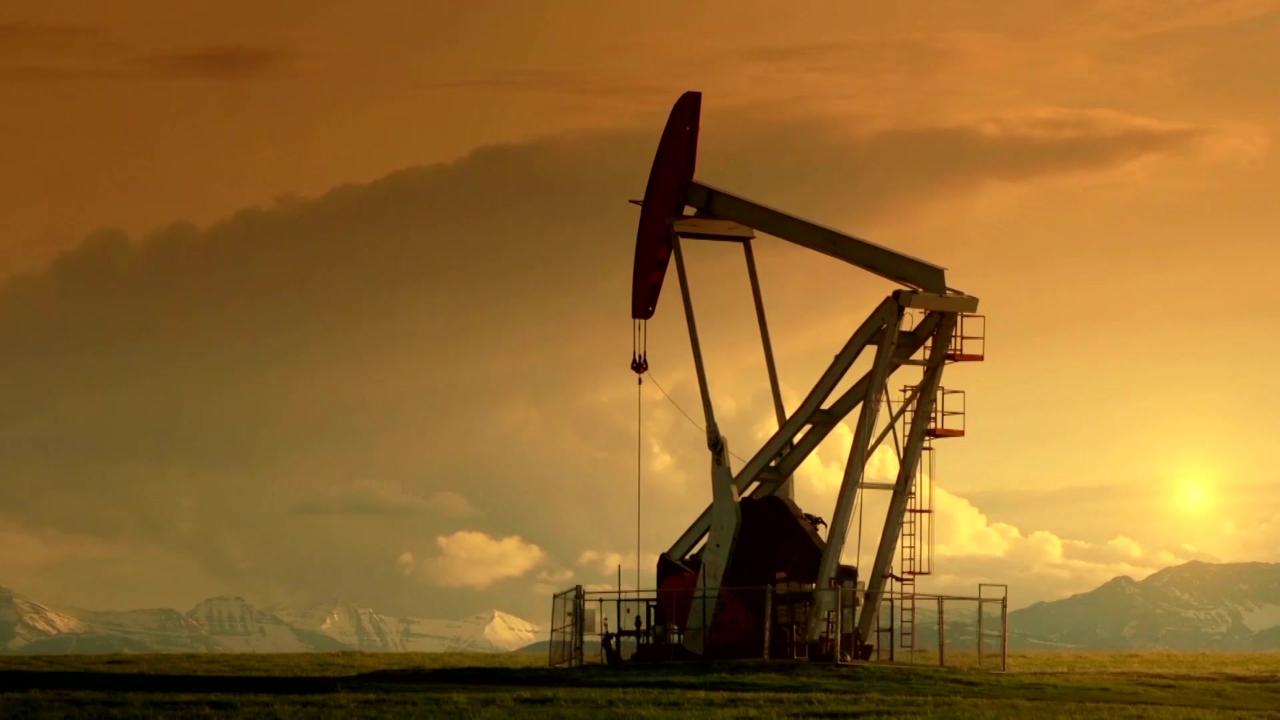
Crude Oil Drops on De-escalation Hopes

WTI crude moved lower to start the week after OPEC+ kept its output quota unchanged and on reports that talks between U.S. and Iranian officials could take place in the coming weeks to help de-escalate tensions. Crude oil has posted six consecutive weeks of gains since the December lows, driven by a combination of geopolitical risk, extreme cold weather in the U.S. that briefly disrupted production and refining operations, and recent dollar weakness. Following the Arctic blast that affected more than 40 states, weather conditions have begun to improve and production levels have already ramped back up. As a result, supply over the next several weeks should be plentiful absent any unforeseen events, and a potential diplomatic path with Iran could remove some of the geopolitical risk premium from global energy markets, particularly if the threat of conflict near the Strait of Hormuz fades.
Last week, the market grew concerned that Iran might increase its naval presence around the Strait of Hormuz, a waterway that accounts for roughly 20% of global oil shipments, with approximately 75% of that supply destined for Asian markets. The U.S. has also deployed additional naval forces to the region, raising fears that Washington could impose a blockade near the Strait, potentially disrupting energy logistics and driving both crude prices and tanker rates higher.
From a fundamental perspective, the “supply glut” the market anticipated at the start of 2026 has not materialized. In fact, from December through the week of January 23rd, U.S. ending stocks excluding the SPR declined by 3.75 million barrels as refiners continued to outperform seasonal production trends.
On the demand side, consumption in the United States has remained relatively stable, but China presents a more complicated picture. Economic data there has been mixed, and Chinese oil inventories remain close to their upper limit. Any signal of a significant and sustainable increase in Chinese petroleum consumption could create an environment supportive of elevated oil prices. For now, the energy trade remains focused on the supply outlook, and geopolitical risk is likely to continue as the primary bullish driver in the near term.
Featured Clips