Strait of Hormuz Tensions Have Pushed Average Gasoline Prices +40%

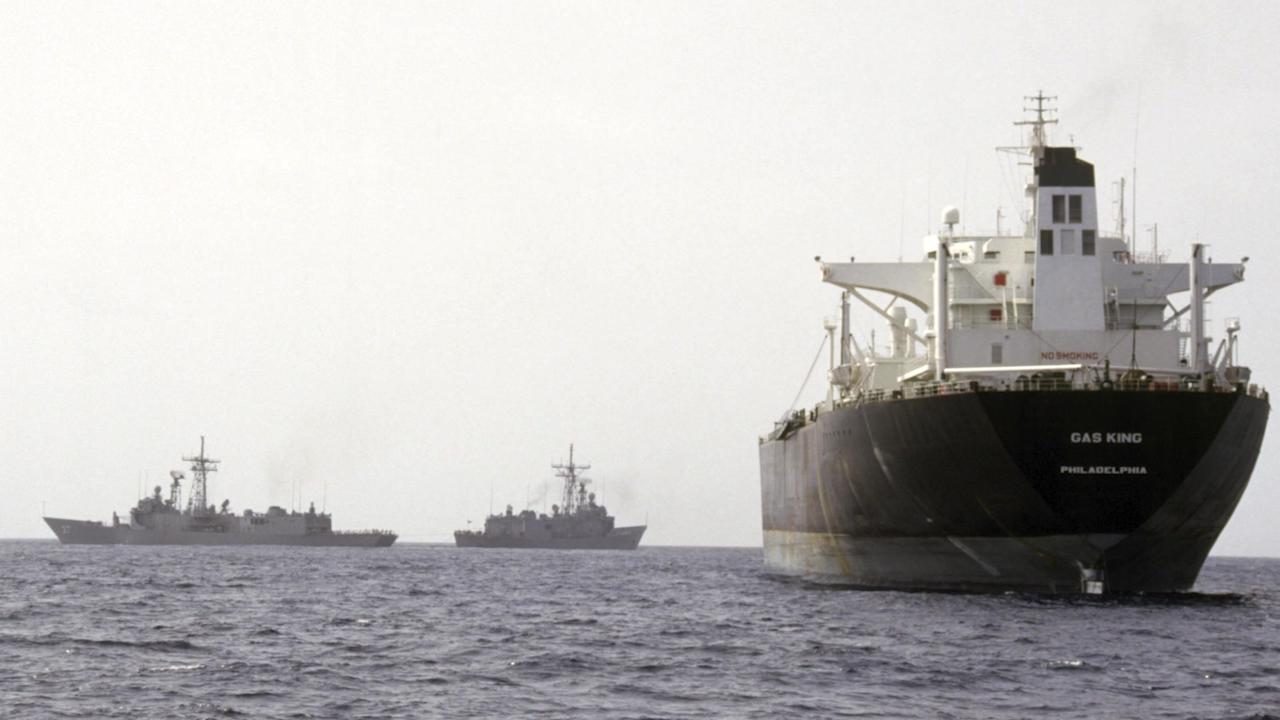
A lot has happened over the weekend regarding the Iran conflict, pushing energy prices higher to start the week. Most notably, a tanker off the coast of the UAE was struck by unknown projectiles as it attempted to transit the Strait of Hormuz. President Trump also announced Project Freedom, an effort to "free" civilian ships from flagged countries not associated with the conflict that are currently stranded in the Persian Gulf.
The President touted this as a "humanitarian" mission, and the market initially interpreted his remarks to mean that U.S. naval escorts would begin today. However, some confusion has emerged over whether U.S. naval forces will physically escort ships through the strait or whether electronic guidance will be the only means of support.
Either way, the announcement prompted Iran to claim that two missiles had struck a U.S. warship near the port of Jask—a claim U.S. CENTCOM quickly denied. All told, this situation is still evolving, and volatility in energy futures markets remains elevated.
Outside the futures market, we are beginning to see significant impacts at the pump. The national average price of regular gasoline has topped $4.45, up 8% from a week ago and 40.8% from a year ago.
The bigger impact, however, has been in the diesel market, which relies on key supplies of medium and heavy sour crude—grades the U.S. does not produce in significant quantities. The national average price of diesel is up 59% over the past year.
There is no doubt that higher prices are weighing on consumers, but the bigger question is when we will see meaningful demand destruction. With summer driving season not yet underway, consumers have continued to prioritize vacation and travel spending, a trend that has persisted since the COVID-19 shutdowns. On the industrial front, many transportation companies are quickly passing fuel costs through to the end consumer.
This week will be pivotal for energy markets. If we see successful transits through the strait due to this new military initiative, energy prices may move lower and risk assets could continue their ascent. If not, and the blockade remains or turns even more kinetic, WTI may retest recent highs around $120.
Featured Clips