
Kevin Green
Sr. Markets CorrespondentOil, Tanker Rates, Move Higher as Major Saudi Pipeline Suffers Drone Strike Damage
Kevin Green
Sr. Markets CorrespondentCrude oil is moving higher to start the week after new satellite images revealed extensive damage to Saudi Arabia's East-West pipeline.
A drone strike, from Iraq, hit a key pumping station on September 11th, temporarily halting flows, according to reports. The East-West pipeline has been critical for global oil markets, serving as an alternative route that can redirect 5-7 million barrels of oil per day from the Persian Gulf to the Red Sea, bypassing the Strait of Hormuz.
The U.S. West Texas Intermediate (WTI) price for crude oil was up more than 4% to roughly $104 per barrel Monday. The international Brent price is near $109.
This latest disruption has tightened global oil supply further, particularly for key blends like medium-sour and heavy-sour crude. Compounding the concern, the Iran-backed Houthi rebels’ recent ground advance in Yemen has traders increasingly worried about the security of the Bab el-Mandeb Strait. It is a critical waterway for commodity shipments and adjacent to regional onshore energy infrastructure.
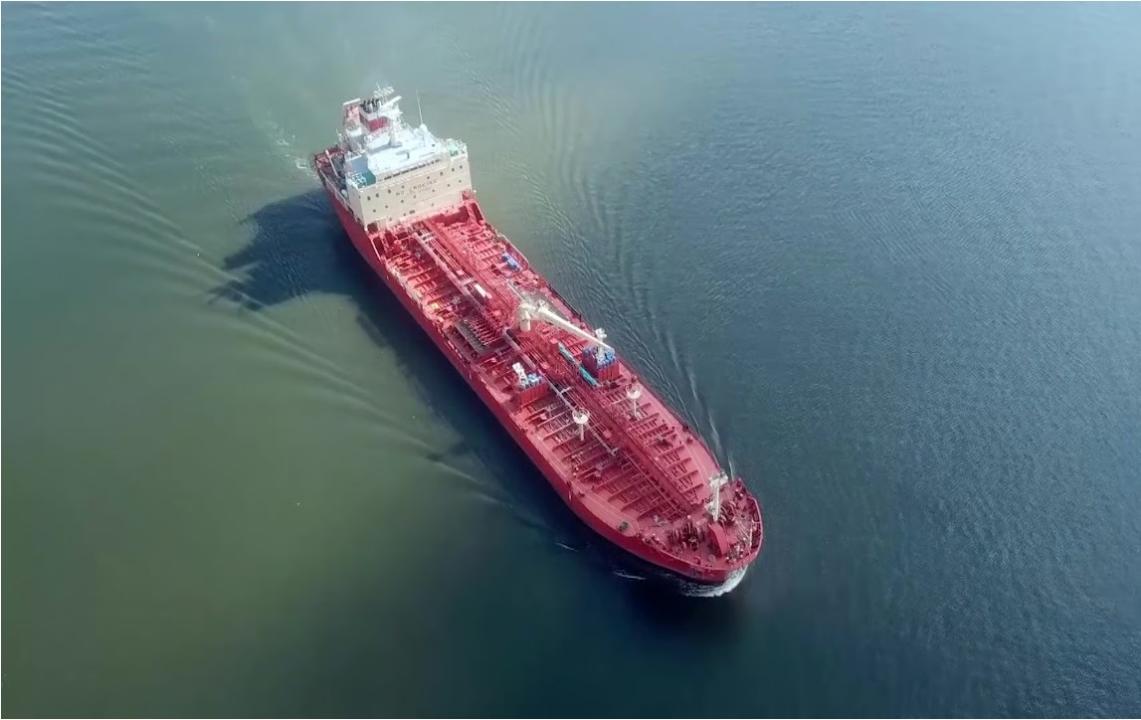
The added stress on Saudi oil exports sent tanker rates sharply higher over the weekend, with some VLCC (Very Large Crude Carrier) rates reportedly spiking from $600,000 to $800,000 per day — a 33% increase, according to Seatrade Maritime News.
The Breakwave Tanker Shipping ETF (BWET), which tracks crude oil tanker rate futures, has surged as investors seek exposure to the shipping market. The ETF is advancing this morning after gaining 11.83% on Friday, bringing its year-to-date return to more than 3,600%.
Given the fundamental tailwinds in the oil market — tighter supply, shipping uncertainty (particularly across Asia-Pacific routes), and continued strikes on key oil infrastructure — we are entering a unique seasonal period for byproduct demand. With driving season largely behind us, gasoline demand has already shifted lower; in fact, product supplied for gasoline, a key measure of demand, is near COVID-19-era lows for this time of year, according to the U.S. Energy Information Administration (EIA).
This softer demand backdrop could help offset some of the supply-shock concerns, but continued kinetic activity could push WTI crude to retest the $120 level, as it attempts to break out above the key $105 mark this morning from a technical standpoint.
Economic and Earnings Calendar Week of Sept. 14:
Week Ahead: Fed Interest Rate Decision and Heavy Economic Data
Featured Clips
$105 a Critical Crude Oil Level, U.S.-Iran War Shows 'Demand Destruction' Risk
Next Gen Investing
► Play videoFriday's Final Takeaways: China, U.S. AI Divergence as DeepSeek Releases New Model
Market On Close
► Play video