Oil Over $100 With No End in Sight

Oil has spiked over $100/barrel, at one point hitting above $119, a price untenable for global economies, as Iran shows no signs of surrender. Not only that, the conflict is widening – the latest expansion is NATO reportedly intercepting an Iranian ballistic missile in Turkish airspace. President Trump said $100 crude is “a very small price to pay” for “Safety and Peace,” dashing trader hopes that the spike could be addressed quickly.
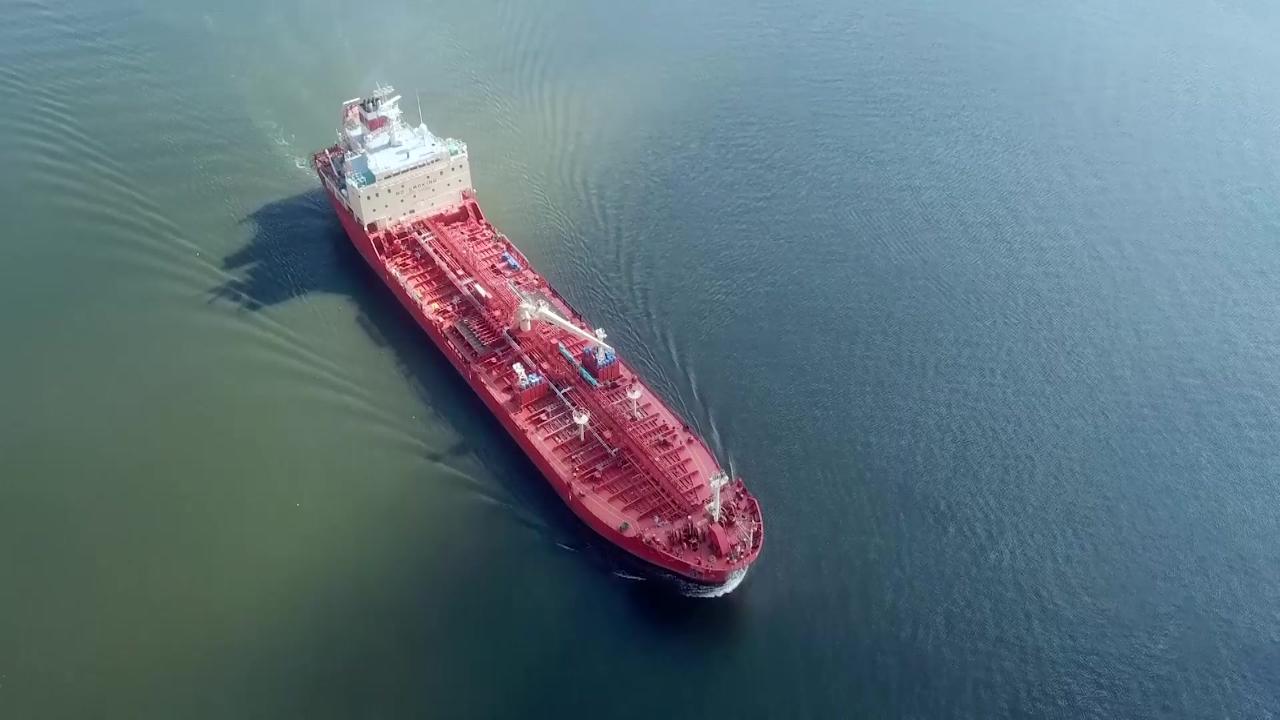
The Strait of Hormuz has basically closed, despite President Trump offering insurance and marine escorts for oil tankers. This means that any oil production in the Middle East has to go into storage, and they’re already running out of space. Multiple OPEC countries, including Saudi Arabia, are reducing their outputs – and refineries all over the Middle East are being attacked, interrupting production.
The EIA estimates the total world petroleum supply was 104.4 million barrels per day in the first half of 2025. That demand beat all of 2024, and has steadily risen every year. Further, the EIA estimated that of that, 76% traveled by seaborne trade. Around 25% of total supply passes through the Strait of Hormuz.
This comes at a bad time for energy markets in general, with U.S. sanctions on Russian energy and Venezuela picking up the pieces of its own energy sector. Coupled with AI’s extreme electricity demands, the existing system is going to struggle if prices remain this high and supply isn’t rerouted effectively.
The G-7 reportedly will discuss a possible joint release of oil reserves today, and the U.S. may grant waivers for Russian oil or ease its sanctions, but nothing is certain. Goldman Sachs estimates we now have a deficit of 20 million barrels per day in the oil markets.
A sustained price jump would be bad news for the U.S. economy and will put the Fed in a difficult position. After we saw a shock job loss on February’s employment report last week, there seemed like there was more room for the Fed to cut rates to support the labor market. However, if gas prices push inflation higher, the odds of a rate cut lessen. This push and pull could signal the dreaded “stagflation” scenario.
Uncertainty is hitting global markets as well, with money pulling out of Asian emerging markets, bond markets are falling, equities have lost $6T in a global sell-off (per Bloomberg), and private credit is showing strain. Things seem to be reaching a fever pitch, and it’s hard to know where we’ll go from here. Don’t forget, it’s a midterm election year, which often leads to increased market volatility as well.
Tune into the Schwab Network for the latest on oil and other breaking news.
Featured Clips
Age of AI Career Tips: Advice with Erin Talks Gen Z Jobs & Adaptability
Next Gen Investing
► Play video