
Thomas White
Co-HostMarkets Impacted by Oil Price Inflation
Thomas White
Co-HostSince the widening U.S.-Iran conflict began this spring, stocks have largely adapted to rising oil prices but may be showing signs of strain.
Oil prices are once again taking center stage for investors as geopolitical tensions and inflation concerns ripple through markets. Higher crude could have a greater impact on inflation, push bond yields higher and eventually force the Federal Reserve to respond, potentially triggering more market volatility. Treasury Secretary Scott Bessent stated that Washington will impose the “toughest sanctions in history” against Iran. This, along with the Strait of Hormuz remaining closed and the U.S. blockade remaining in effect, has negatively impacted stocks.
Ongoing disruptions in the Middle East have fueled concerns about global energy supplies and helped push crude prices higher over the last three weeks. Oil futures (/CL) are up about 15% to near $86 a barrel since hitting August lows below $75 earlier this month, and levels below $70 in July. Oil prices finished last week more than 5% higher.
Higher oil prices have had broad implications for financial markets. Rising energy costs increase transportation, manufacturing, and input expenses for businesses, putting pressure on stocks and corporate profits. At the same time, consumers face higher fuel and utility costs, which may reduce discretionary spending and slow economic growth. These dynamics have created volatility across equity markets, particularly in sectors such as airlines, transportation, retail, and industrials. The U.S. Global Airline ETF (JETS) has fallen 13% over the last two weeks as oil prices rallied and pressured the sector.
In addition, Treasury yields are rising partly because of elevated oil prices. The benchmark 10-year Treasury yield hit its highest level since January 2025 last week, rising above 4.74%, reflecting growing inflationary pressures, partly driven by higher oil prices. Inflation remains a critical link between oil and the broader market outlook. When crude prices rise, inflation expectations often move higher as energy feeds into the cost of goods and services throughout the economy. Investors worry that persistent inflation could keep central banks, including the Federal Reserve, in a higher-for-longer interest rate stance, which can pressure stock valuations and push Treasury yields higher. Central banks face a difficult dilemma: if energy-driven inflation sticks, easing interest rates becomes nearly impossible, keeping borrowing costs elevated and creating headwinds for economic growth.
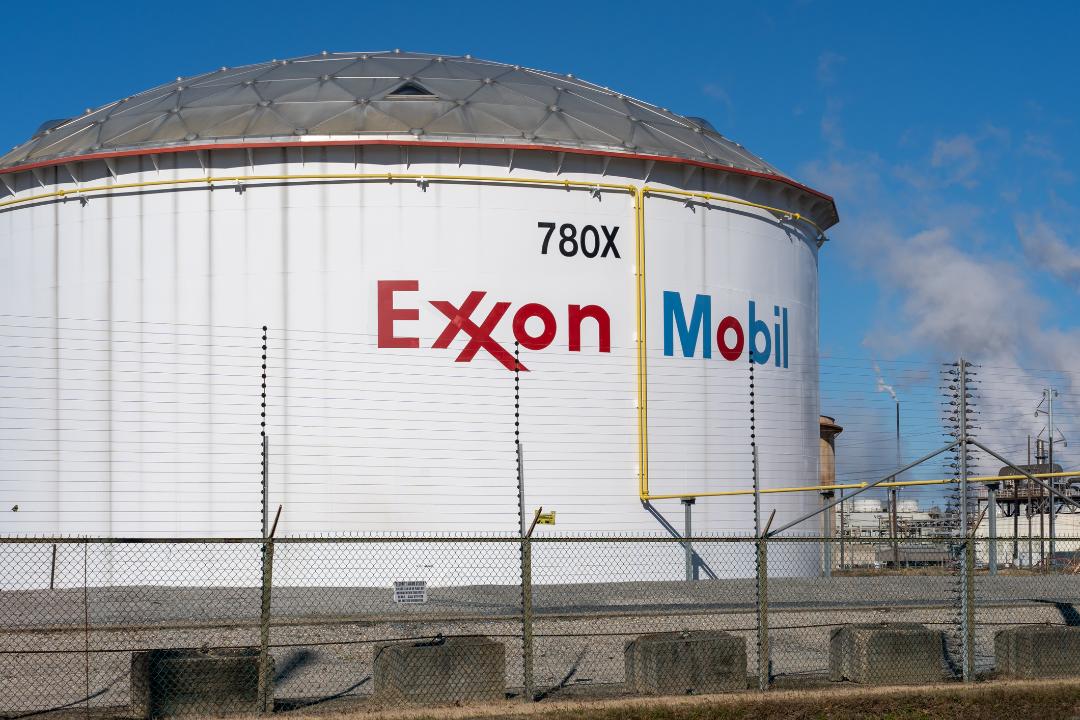
For equity investors, the impact is mixed. Energy producers and oil service companies often benefit from rising crude prices and stronger cash flows. Exxon Mobil (XOM) shares are up over 6% this month, and Chevron (CVX) shares have risen over 4% in August. On the flip side, growth-oriented sectors such as technology have faced headwinds as higher inflation and yields reduce the present value of future earnings.
Stocks fell last week, and elevated oil prices remain an important risk factor for investors. A sustained move higher in crude could rekindle inflation fears and pressure equity valuations, while easing geopolitical tensions and moderating energy prices would likely be viewed as a positive development for stocks. Investor focus remains on geopolitical tensions and oil prices, and those factors may set the tone for stocks this week.
For this week's earnings and economic calendars, see Week Ahead: Jackson Hole Puts Fed in Focus, Nvidia (NVDA) Earnings.
Featured Clips